

Rights & Responsible Ownership
Animal rights and responsible ownership
What Indian law actually says about street dogs, feeding, and what you take on when you keep a dog. No myths, no slogans.

Street dogs have legal protection
The Prevention of Cruelty to Animals Act, 1960 makes cruelty to any animal an offence, and street dogs are covered. The Animal Birth Control Rules govern how municipalities manage street dog populations, and they set out sterilization and vaccination rather than removal.
In practice this means a resident cannot lawfully have a community dog removed simply for existing. Disputes over dogs are handled through the municipality and the ABC programme, not by individuals.
Feeding is not illegal
Feeding community dogs is recognised practice under the ABC framework, and courts have repeatedly upheld it. What is reasonable is feeding in a way that does not create a nuisance: a fixed spot away from the road and playground, clean plates removed, and no scattering.
Being right does not make a neighbour an ally. A short conversation about timing and place prevents most complaints.
What ownership actually means
Under the law, a pet dog is property, which is less comforting than it sounds: it means abandoning one is not automatically a criminal act of cruelty in the way people assume, and it means the responsibility is entirely yours.
In practice ownership is: vaccination including rabies, sterilization unless advised otherwise, identification, containment within your property, and cleaning up after your dog in public.
The duties people forget
A dog left on a short chain, a dog on a hot terrace, a dog bred repeatedly for sale, a dog abandoned when the family moves: these are the ordinary cruelties, and they are the ones neighbours see and say nothing about.
If you cannot keep a dog, the responsible route is rehoming through a rescue with a proper handover, not a release back to the street it came from.
What to do about cruelty you witness
Record it: date, place, description, photos or video from a safe distance. Report it to the local police and to the municipal animal welfare officer, and to a local animal welfare organisation who can pursue it.
Do not confront alone, and do not take an animal from a property without police or official involvement.
General guidance for street dogs in India, written for volunteers and residents. It is not a diagnosis and does not replace a veterinarian who can examine the animal.
Related guides
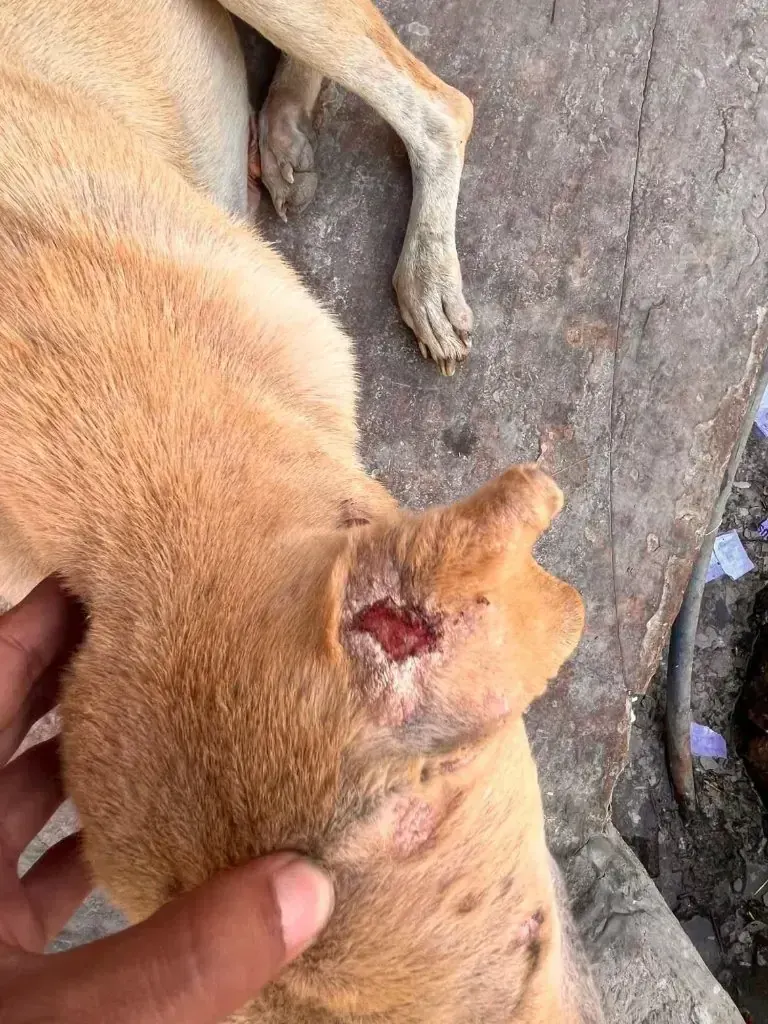
Understanding ABC and sterilization
Animal Birth Control is the only approach that reduces street dog numbers humanely. Here is how it actually works, and…
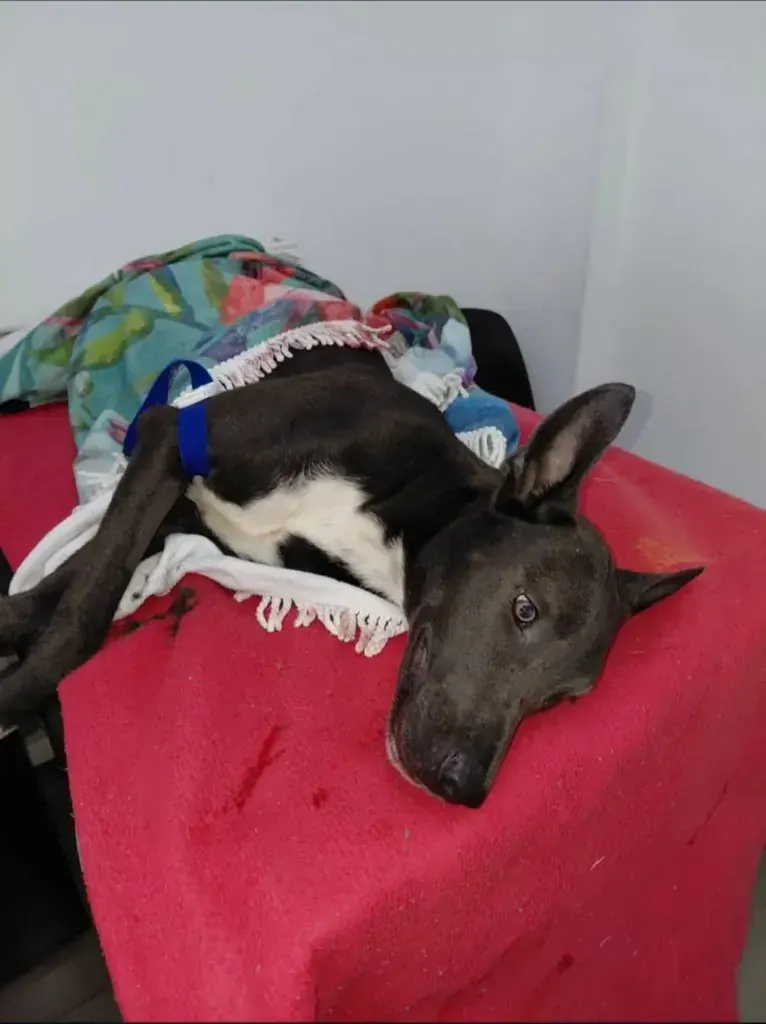
Rescue guidelines and when to call
A clear sequence for the moment you find a dog in trouble: what to do, who to call in an Indian city, and the…