

Rescue guidelines and when to call
A clear sequence for the moment you find a dog in trouble: what to do, who to call in an Indian city, and the situations where doing nothing is safer.
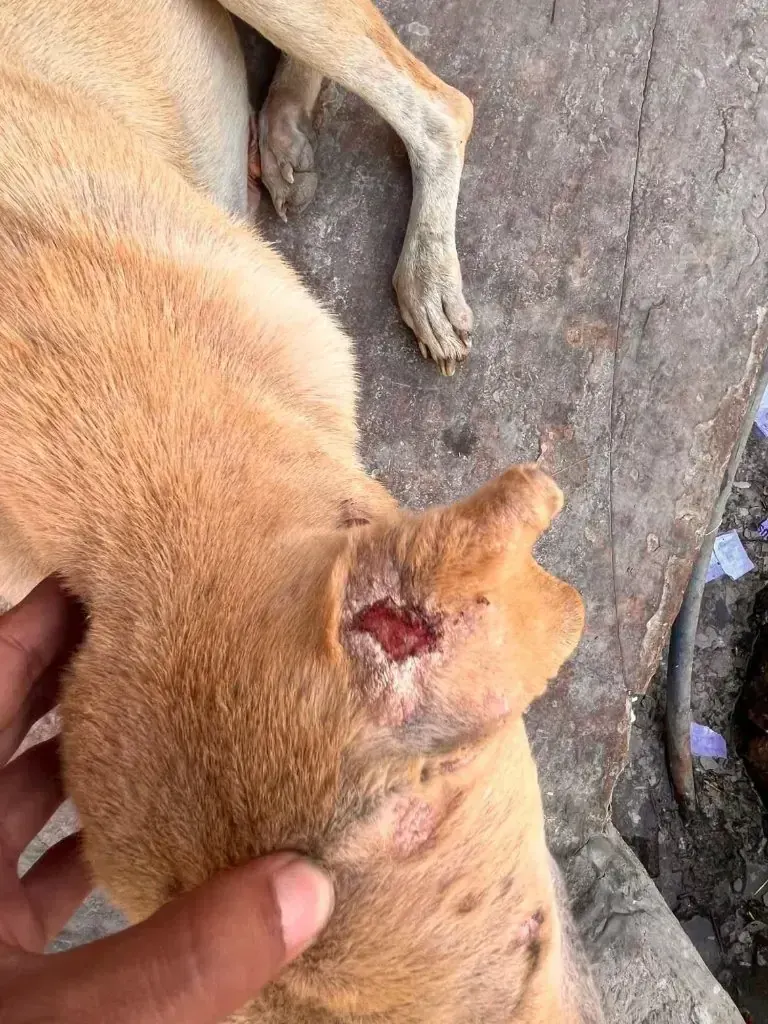
The five-step sequence
Any rescue, large or small, follows the same order. Skipping straight to handling is what causes injuries to dogs and people.
Stop, look and assess. Make the scene safe, including traffic. Decide whether this needs you, a rescuer, or a vet. Act within your ability. Then hand over with details.
- Make the scene safe: traffic, wires, other dogs, crowds.
- Assess: breathing, bleeding, ability to stand, whether it is approachable.
- Decide: handle it, call a trained rescuer, or call a vet.
- Act: pressure on bleeding, shade for heatstroke, warm box for a puppy.
- Hand over: location pin, photo, what you saw, what you did, your number.
Who to call in an Indian city
Save these before you need them: the municipal veterinary hospital or animal dispensary, the local animal welfare organisation or shelter, a 24-hour private vet, the municipal helpline, and for a dog in immediate danger on a road, the traffic police.
For wildlife or a snake, call the forest department, not an animal rescuer.
When not to intervene
A healthy dog with a feeder does not need rescuing. A mother with puppies should not be separated from them. A dog that is eating, drinking and moving is not an emergency, whatever it looks like from a moving car.
A dog that is aggressive out of fear needs distance and a trained handler, and a crowd makes it worse.
Keeping yourself safe
Never put your hand near a frightened dog's mouth, even to offer food. Never lie under a vehicle to reach a dog: use a barrier and patience, or call someone equipped. Never handle a dog in fast traffic without stopping the traffic first.
If you are bitten, wash the wound with soap and running water for fifteen minutes and go to a hospital immediately for rabies assessment.
What happens after the handover
Follow up once, politely, for the outcome: treated, released, rehomed, or lost. Rescuers are usually volunteers with several cases.
If you can, become the feeder for that dog. Long-term care beats a one-off rescue every time.
General guidance for street dogs in India, written for volunteers and residents. It is not a diagnosis and does not replace a veterinarian who can examine the animal.
Related guides
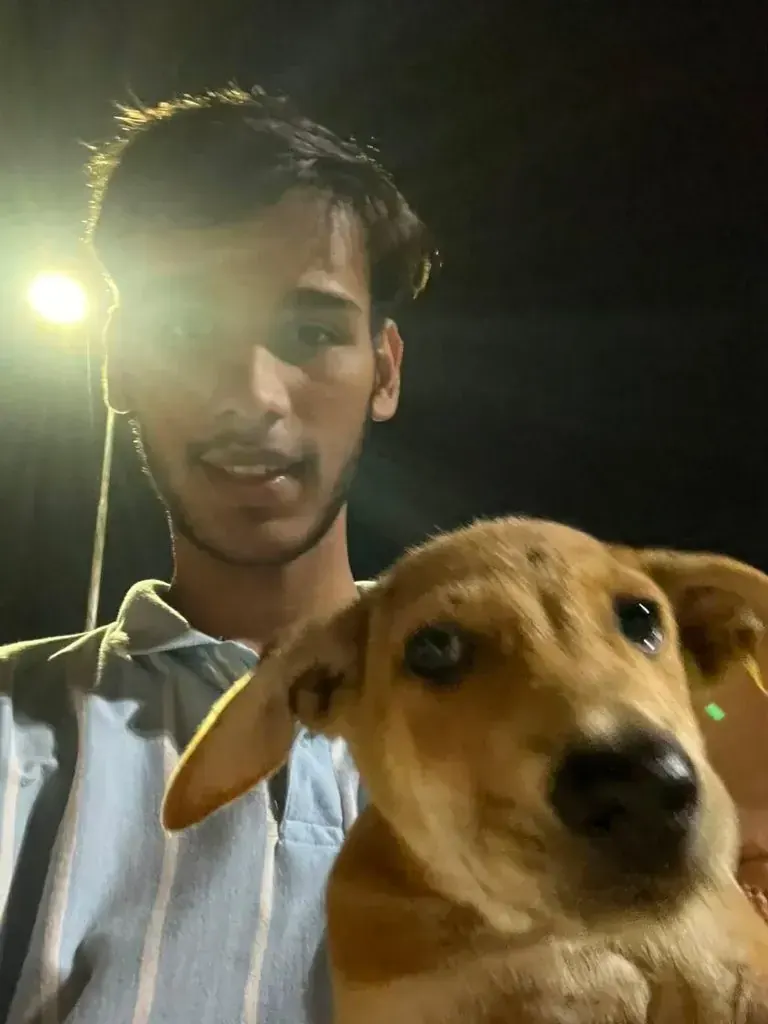
How to help a stray dog safely
The first five minutes with a street dog decide whether it trusts people again. Space, food, observation and a phone…
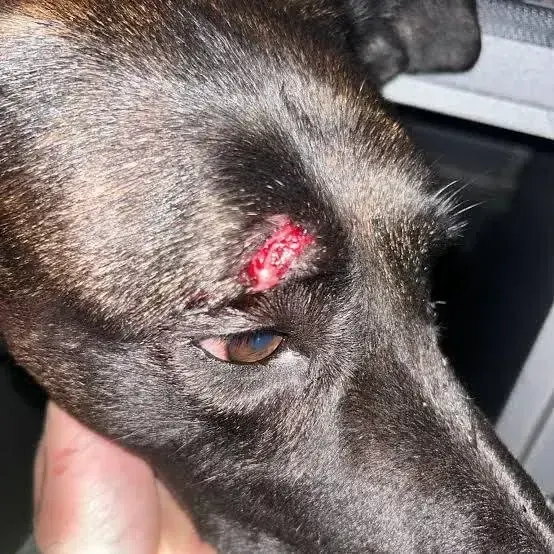
What to do when you find an injured street dog
The first sixty minutes after an injury decide the outcome. Here is the sequence, the kit, and the mistakes that cause…