

What to do when you find an injured street dog
The first sixty minutes after an injury decide the outcome. Here is the sequence, the kit, and the mistakes that cause more harm than the accident.
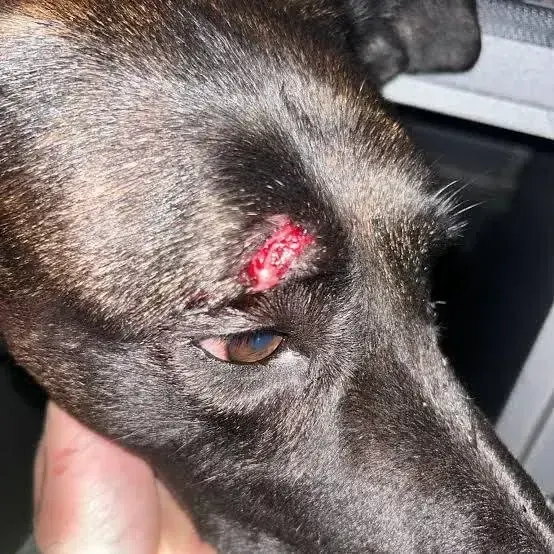
Before you touch the dog
An injured dog is in pain, and a dog in pain bites without meaning to. Ask yourself whether you can do this alone. If the dog is large, panicking, or in the middle of a road, your first job is traffic control and a phone call, not handling.
If you can proceed, move slowly, speak quietly, and approach on the dog's side rather than from the front. Use a towel or a blanket as a barrier between your hands and the dog's mouth.
Control bleeding
Apply firm, direct pressure with a clean cloth or gauze for a full five minutes without lifting it to check. Lifting early restarts the bleeding.
If blood soaks through, add another layer on top rather than removing the first. A limb wound that will not stop bleeding needs pressure and a clinic, not a tourniquet from a video.
Stabilise before you transport
A dog hit by a vehicle may have internal injuries or a fractured spine. Slide it onto a rigid board, a tray or a firm cardboard sheet, keeping the spine as straight as possible, and carry it flat.
Do not offer food. Do not force water. Do not give any human medicine, including painkillers. Paracetamol and ibuprofen are toxic to dogs.
What actually goes in a rescue kit
A basic kit fits in a scooter box and costs very little:
- Clean gauze, a roll of bandage and tape.
- A small bottle of saline for flushing wounds.
- A towel or blanket, and a rigid sheet for carrying.
- A slip lead and a spare muzzle or a length of soft cloth.
- Gloves, a torch, and a bottle of drinking water.
- A phone with the nearest 24-hour vet saved in it.
Getting to a vet
Government veterinary hospitals, municipal animal dispensaries and charitable clinics in most Indian cities treat street animals at low or no cost; private clinics are faster. Call ahead and say what you are bringing, so they can prepare.
Record the time of the injury, what you saw, and what you did. The vet will ask.
After the clinic
Ask three questions before leaving: what to watch for, when to bring the dog back, and what pain relief is prescribed and for how long. Write it down.
Then find the dog's feeder. Aftercare that nobody continues for a week is not aftercare.
General guidance for street dogs in India, written for volunteers and residents. It is not a diagnosis and does not replace a veterinarian who can examine the animal.
Related guides
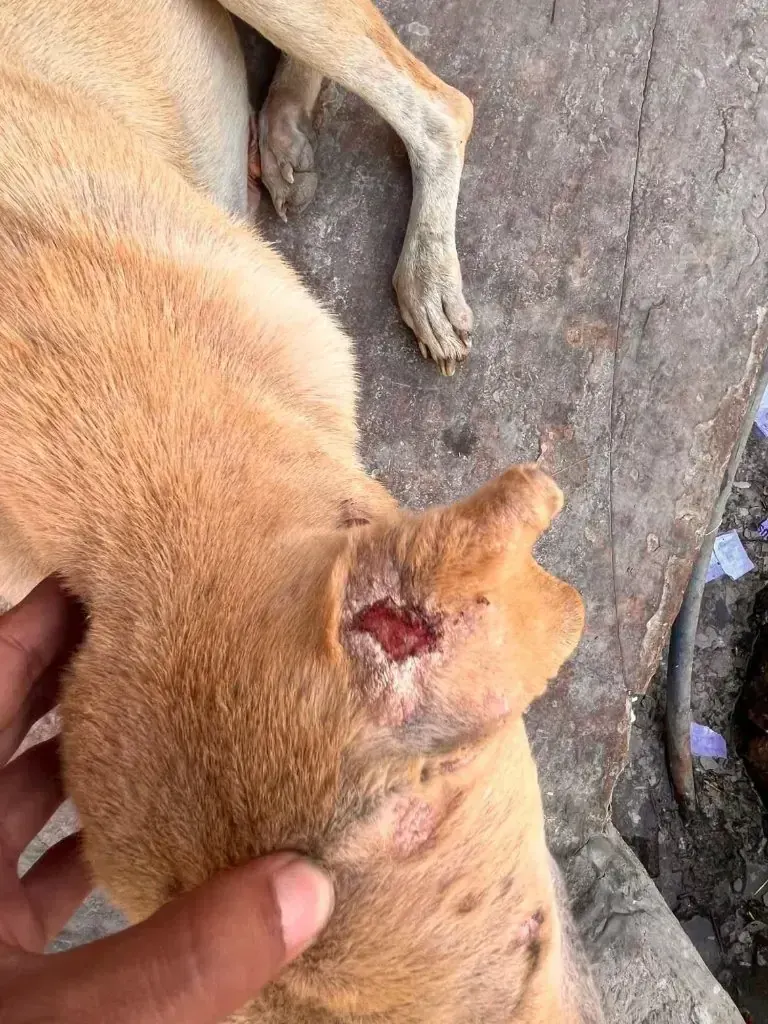
Rescue guidelines and when to call
A clear sequence for the moment you find a dog in trouble: what to do, who to call in an Indian city, and the…