

Field note
A call at ten at night about a puppy
Night calls are the hardest to judge from a phone. Here is what to ask, what to carry, and what can honestly wait until morning.
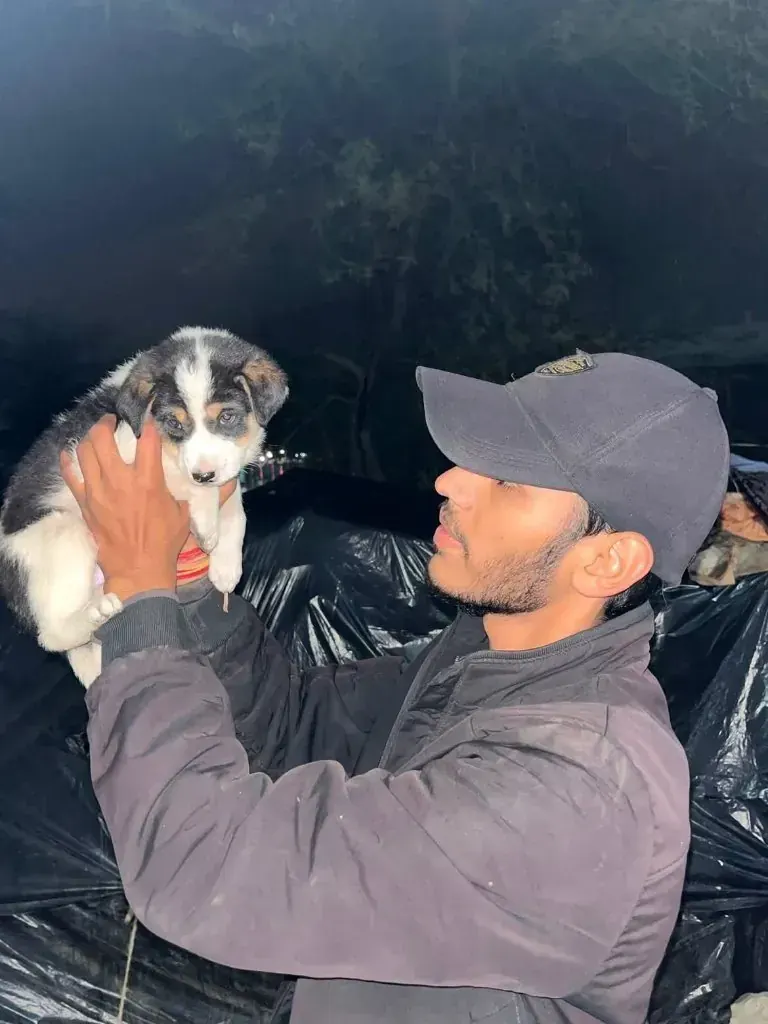
The phone call decides the rescue
Most night calls arrive as a voice message with no details. Before anyone leaves the house, three things are worth asking: a photo, the exact location, and whether the puppy is in immediate danger such as a road, a drain or water.
A photo changes everything. It tells you whether this is a newborn still with its mother, a weaned puppy, or an older dog with an injury. The answer decides who goes, and with what.
Leave the mother alone
A very young puppy found alone is often not alone. The mother is likely nearby, watching, and will move the litter as soon as the area feels unsafe. Lifting a puppy out of a healthy litter is how orphans are made.
Watch from a distance for twenty minutes. If no mother appears and the puppy is cold, thin or crying continuously, that is different.
What to carry
A night kit does not need to be expensive. A towel and a cardboard box, a hot water bottle wrapped in cloth, a slip lead, a torch, drinking water, and a phone with charge. Food is secondary: a cold puppy cannot digest properly and may vomit.
Keep the puppy in the box, not in your lap while driving. A frightened puppy on a moving scooter is how a rescue becomes a second injury.
The honest triage
At night, the question is not "can this puppy be helped" but "can this puppy be helped right now, safely". A puppy shivering in a quiet lane with a feeder nearby can be given a box, a towel and a check in the morning. A puppy on a highway cannot.
If you cannot go, you can still be useful: send the location to someone who can, or ask the caller to move the puppy to the edge, out of traffic, and stay with it.
Morning is a plan
By daylight you can see wounds, ticks, discharge, body condition and the state of the area. That is when a vet visit, a first vaccination, deworming and a decision about the mother can be made properly.
The night is for safety. The day is for medicine. Confusing the two is what gets puppies hurt.
At night you are not diagnosing. You are making sure the puppy is alive, warm and off the road by morning.
This note is educational and not a report of a specific rescue or a substitute for veterinary advice. If a dog is injured, contact a veterinarian.
Related field notes
Field note
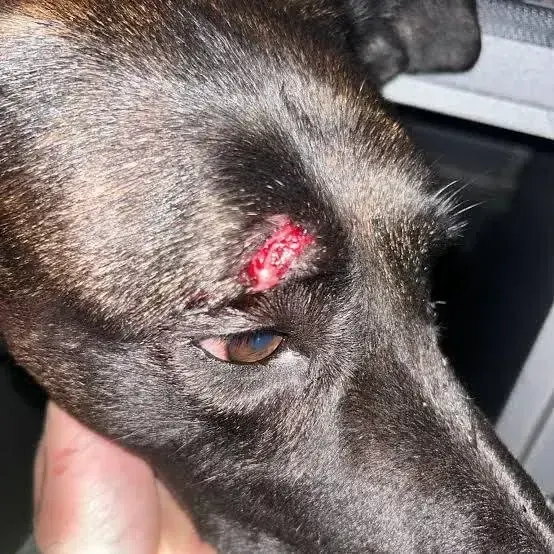
Wounds that need a clinic, not a kitchen remedy
Turmeric, coconut oil and hope are not treatment. Recognising the wounds that need a vet is a skill worth having before you find…
Read the note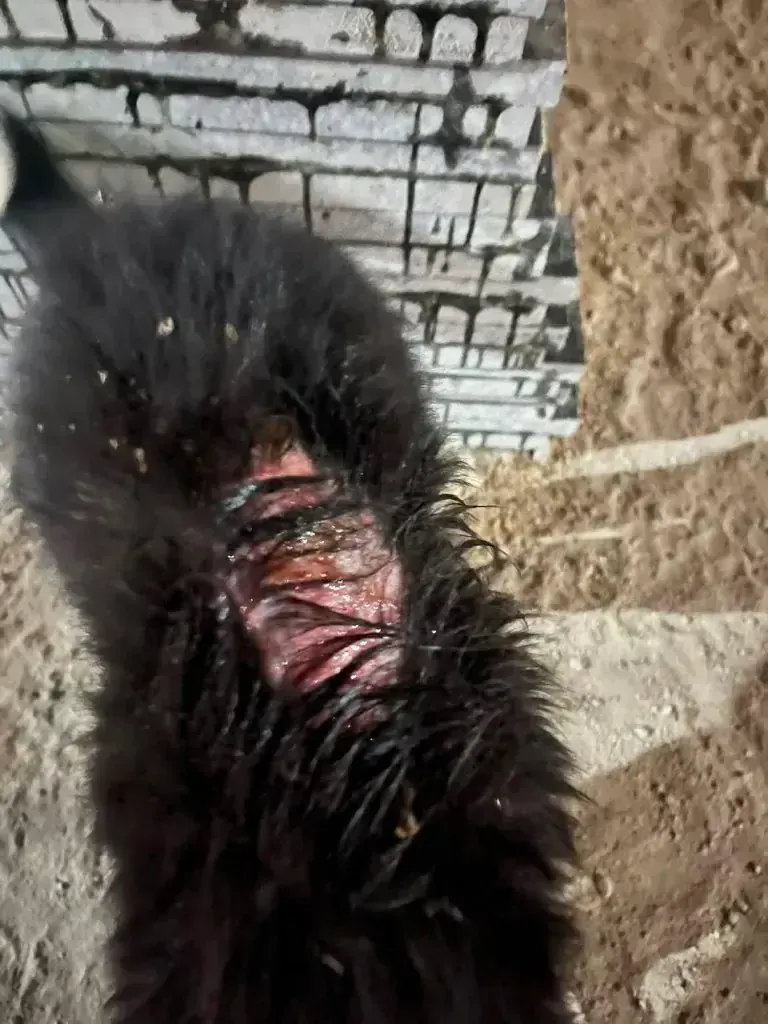
Field note
The first forty-eight hours after a rescue
The most dangerous part of a rescue is not the road. It is the night after, when a frightened dog is warm, fed and quietly…
Read the note