

Field note
The first forty-eight hours after a rescue
The most dangerous part of a rescue is not the road. It is the night after, when a frightened dog is warm, fed and quietly getting worse.
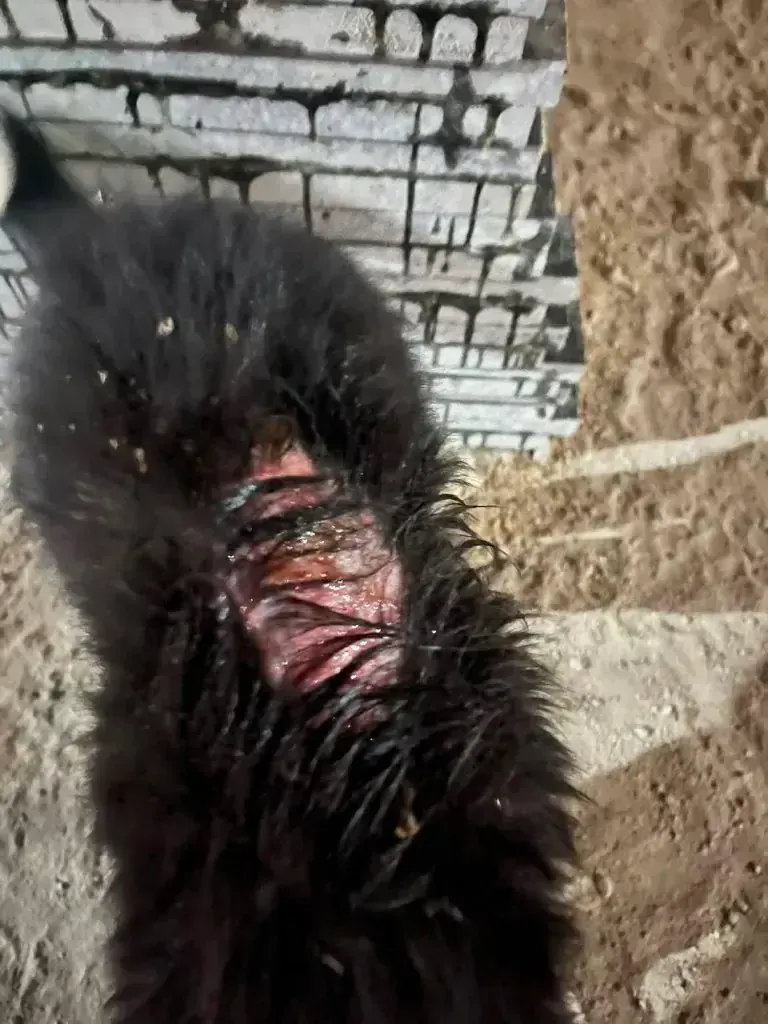
Shock first, everything else second
A dog lifted off the street is often in shock: cold, dehydrated, and running on adrenaline. The first hours are not about cuddles. They are about a quiet space, a steady temperature and no handling beyond what is necessary.
Keep the dog away from other animals. Not because it is dirty, but because it is stressed and unvaccinated.
Warm, then water, then food
A cold dog cannot digest. Warm the space first: a blanket, a covered box, a room without draughts. Then offer small amounts of water. A dog that has been without water for a day can vomit if it drinks a bowl at once.
Food comes in small, frequent portions. Rice with a little boiled chicken or curd is fine for a first meal. Rich food after starvation causes diarrhoea, and diarrhoea in a weak dog is dangerous.
Observe, write it down
In the first day, note what you actually see: appetite, water intake, stool, urine, breathing rate, whether the dog can stand, whether it reacts to sound, and every wound. Photograph the wounds once, in good light, and again tomorrow.
These notes are what the vet needs. "He seems okay" is not information. "Ate 40g at 6pm, drank, passed soft stool at 9pm, breathing 34 per minute at rest" is.
The vet visit
Within 24 hours, and the same day if there is any wound, discharge, lameness, coughing, or if the dog is a puppy. The vet will check for ticks, mange, worms, ear and skin infection, and will advise on vaccination timing given the dog's condition.
A dog can look fine on day one and crash on day three. The check is not a formality.
The quiet week
The first week is not the time for visitors, photographs or introductions to your own dog. Let the dog sleep, eat and learn that nothing in this house hurts.
Most early "behaviour problems" are just a dog that has not slept properly in weeks.
Rescue does not end when the dog is in the car. It starts there, and the first night is the one that matters most.
This note is educational and not a report of a specific rescue or a substitute for veterinary advice. If a dog is injured, contact a veterinarian.
Related field notes
Field note
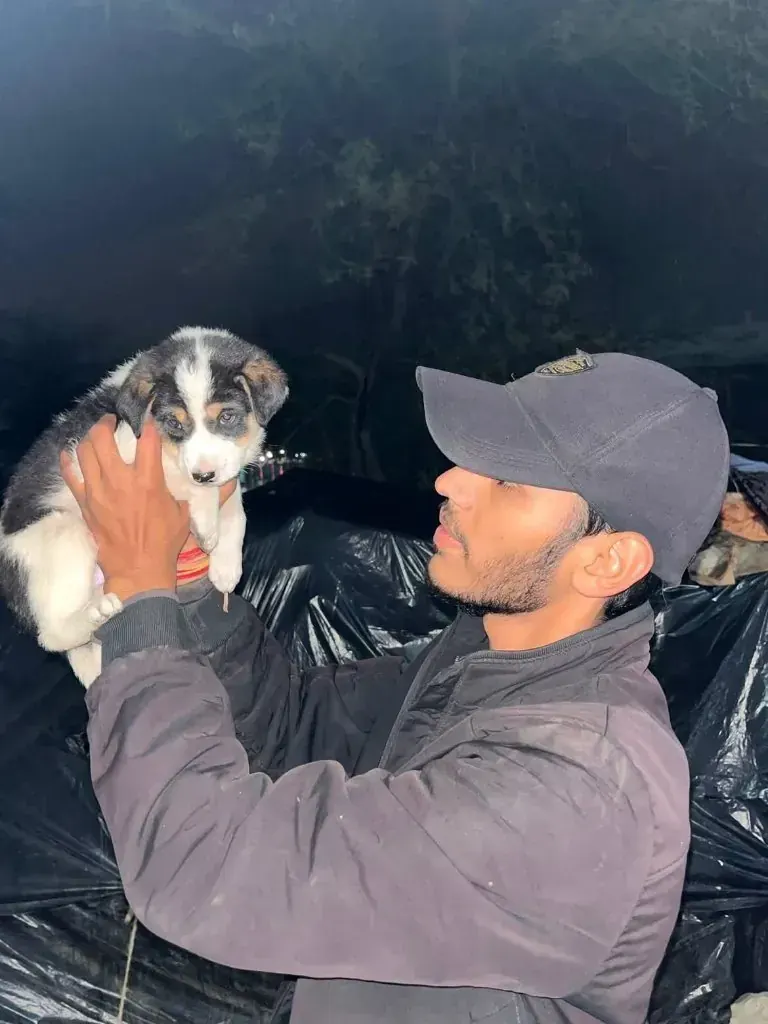
A call at ten at night about a puppy
Night calls are the hardest to judge from a phone. Here is what to ask, what to carry, and what can honestly wait until morning.
Read the note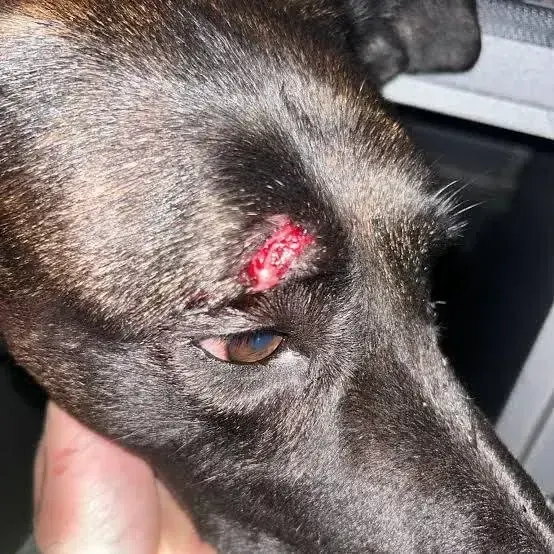
Field note
Wounds that need a clinic, not a kitchen remedy
Turmeric, coconut oil and hope are not treatment. Recognising the wounds that need a vet is a skill worth having before you find…
Read the note