

Field note
Saying no when it is the kindest answer
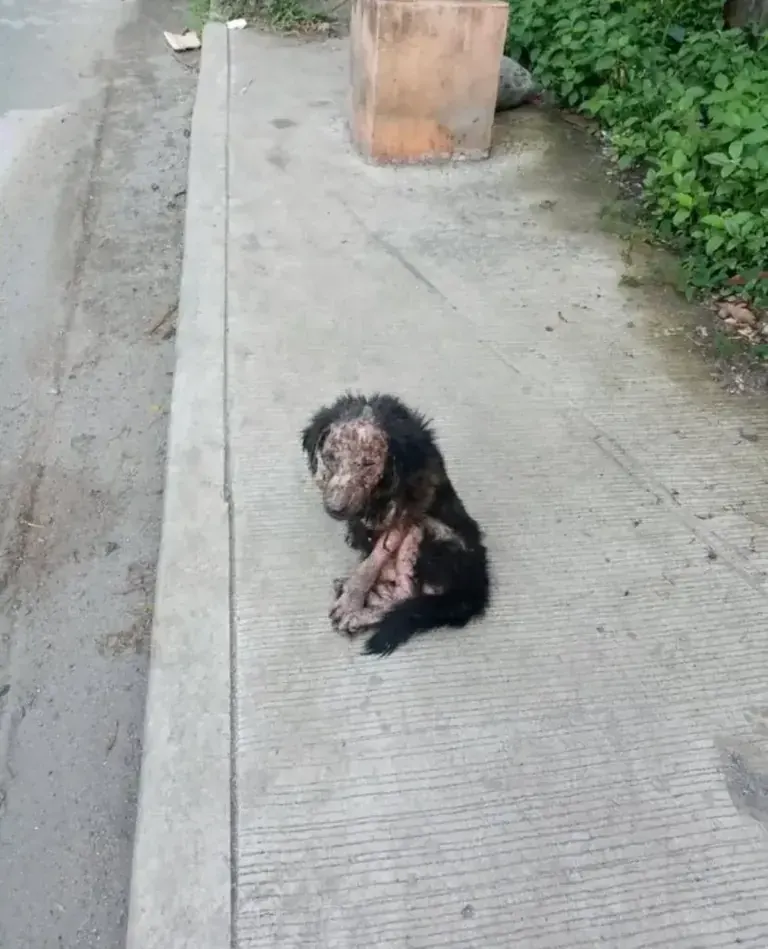
Every rescuer eventually meets a dog they cannot help in time. Pretending otherwise is how people burn out and how dogs get passed around.
Capacity is a real number
A home can hold a certain number of dogs well. Past that number, every animal gets less: fewer checks, cheaper food, less time, and the first one to suffer is usually the sickest.
Saying "not this one" when the house is full keeps the operation alive for the next twenty. That is not a lesser moral choice. It is the arithmetic that keeps any rescue running past its second year.
Triage, not preference
When several dogs need help at once, the order is set by outcome: the treatable, the young, the ones in immediate danger, the ones with a responsible home waiting. It is uncomfortable and it is what every clinic does in a busy night.
What triage is not: choosing the photogenic dog, the purebred, or the one that will look good online.
Pass it on properly
"I cannot take this dog, but here is who can" is worth more than silence. Keep a short list: a rescuer who handles road accidents, a clinic that will admit at night, a municipal animal hospital, and one person who fosters puppies.
When you refer, hand over the real details: location, photo, what is wrong, what has already been tried, and the caller's number. A referral without details is just a shrug.
The caller needs something too
People who call are usually frightened and often feel guilty. Tell them what they can do tonight: keep the dog off the road, offer water, cover it if it is cold, and send a photo.
Give one clear next step rather than a list of reasons you cannot come. It is the difference between a person who becomes a feeder next month and a person who decides that nobody in this city cares.
About the ones you lose
Some dogs die. Some are already too far gone when the call comes, and some are never found again. Carrying that quietly is part of the work, and pretending it does not happen makes new volunteers believe they are failing when they are simply seeing what rescue is.
What matters is that the decision was honest. Not every outcome is a rescue, and not every loss is a mistake.
The dogs we cannot reach are not proof that the work is pointless. They are the reason the work has to keep going.
This note is educational and not a report of a specific rescue or a substitute for veterinary advice. If a dog is injured, contact a veterinarian.
Related field notes
Field note
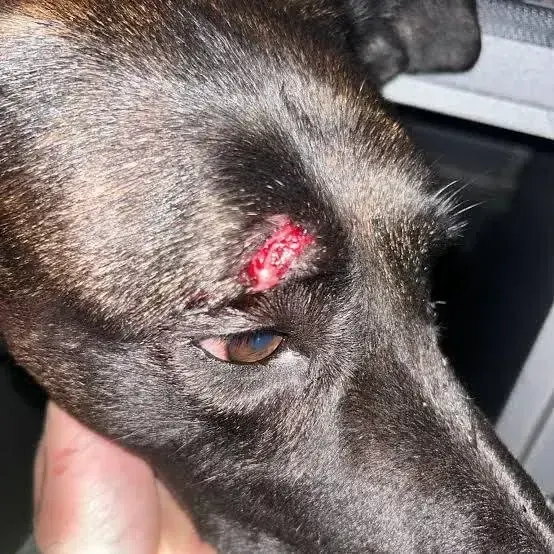
The dog who will not be caught
Some dogs are not difficult. They are frightened, and fear looks like speed. This is how a patient catch actually works.
Read the note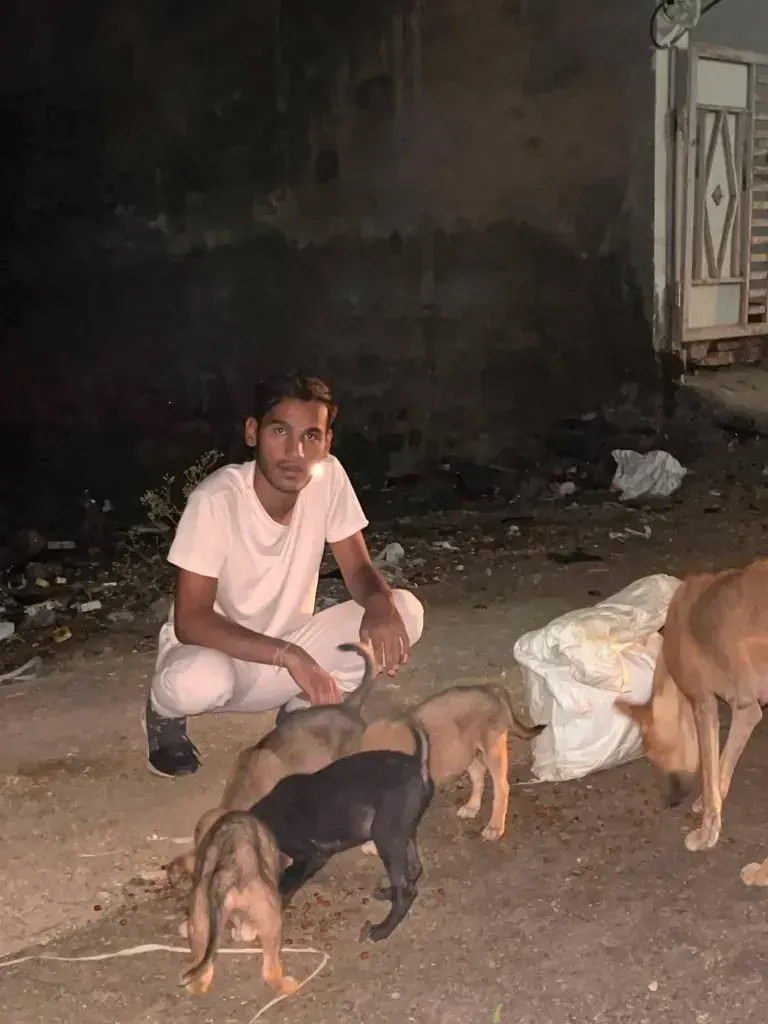
Field note
The street dog who already has a guardian
Half the dogs on a street in India are not unowned. Someone feeds them, watches them, and will fight you for them. Work with…
Read the note