

Field note
The dog who will not be caught
Some dogs are not difficult. They are frightened, and fear looks like speed. This is how a patient catch actually works.
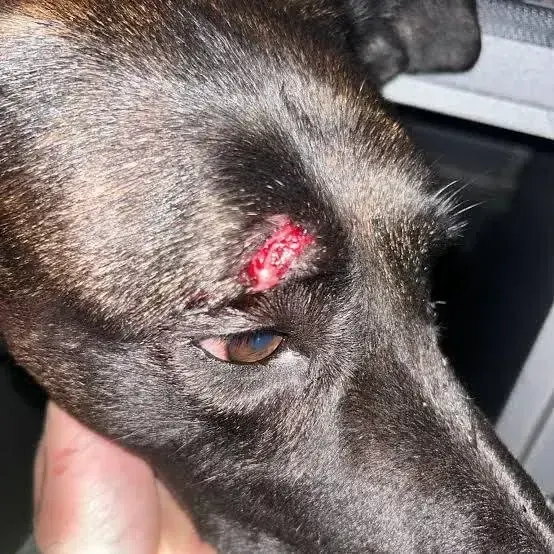
Why the chase always fails
A dog who has decided that humans mean pain will not be outrun. It will not be talked down either. What looks like stubbornness is usually fear, and fear is fast. When a rescuer runs, the dog learns one thing only: that being close to people is dangerous. That lesson stays for months, and it makes every future attempt harder.
This is the first thing to understand about street rescue in India. The dog is not being difficult. It is doing the only thing that has kept it alive.
Start with information, not a lead
Before anyone tries to touch the dog, write down what is actually known: where it sleeps, what time it appears, who feeds it, and whether it already allows one particular person close. A dog with a feeder is a different problem from a dog with nobody.
If there is a feeder, that person is the route in. They already have the trust you need, and they can change feeding times or move a bowl two metres closer each day.
A routine beats a trap
Pick the same place and the same time and appear there daily, doing nothing. Sit down. Put food down. Leave. Repeat. Within a week or two most frightened dogs will begin to wait, and waiting is the beginning of a relationship.
Only then comes the lead, and only with food, not with a grab. Attach a light slip lead while the dog eats, let it drag, and let the dog discover that the lead is not a trap. Two people are better than one: one holds the bowl and the calm, one works quietly.
When to stop improvising
An injured dog who cannot be approached, a dog in traffic, a dog with a suspected fracture or a dog who has already bitten: these are not practice cases. Call a rescuer with experience, a barrier, and if needed a sedative prescribed by a vet.
There is no shame in this. The goal is a dog in care, not a story about how hard someone tried.
What patience actually costs
Slow catches take days. That is the price of a dog who can still be handled afterwards. A dog chased into a corner is caught in five minutes and then needs weeks of behaviour work, or never settles at all.
The everyday version of this on a street in India looks unremarkable: a person, a bowl, the same hour, over and over. That is what rescue usually is.
A dog that runs is not refusing help. It has not yet been given a reason to believe that help is safe.
This note is educational and not a report of a specific rescue or a substitute for veterinary advice. If a dog is injured, contact a veterinarian.
Related field notes
Field note
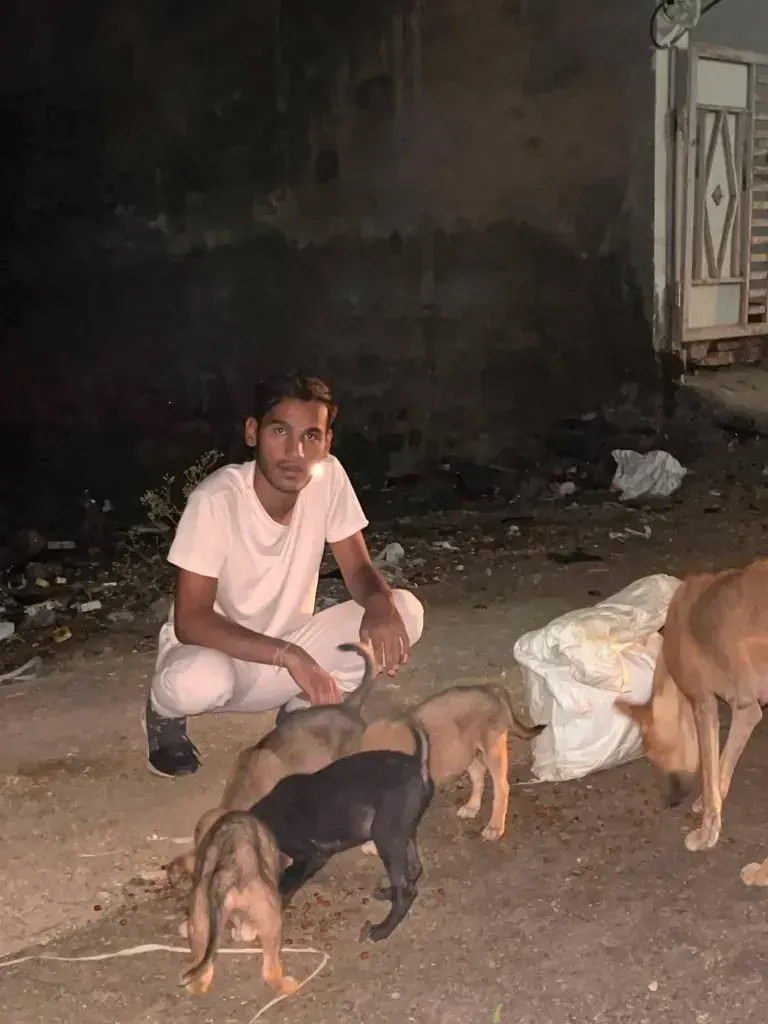
The street dog who already has a guardian
Half the dogs on a street in India are not unowned. Someone feeds them, watches them, and will fight you for them. Work with…
Read the note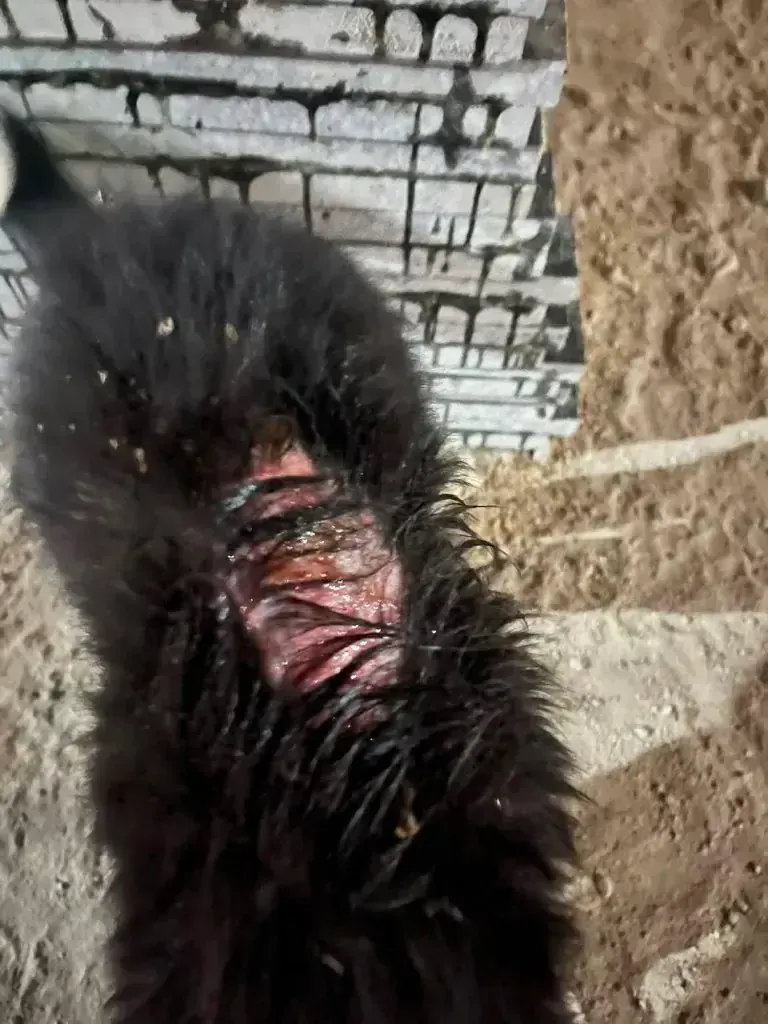
Field note
The first forty-eight hours after a rescue
The most dangerous part of a rescue is not the road. It is the night after, when a frightened dog is warm, fed and quietly…
Read the note