

Field note
Wounds that need a clinic, not a kitchen remedy
Turmeric, coconut oil and hope are not treatment. Recognising the wounds that need a vet is a skill worth having before you find one.
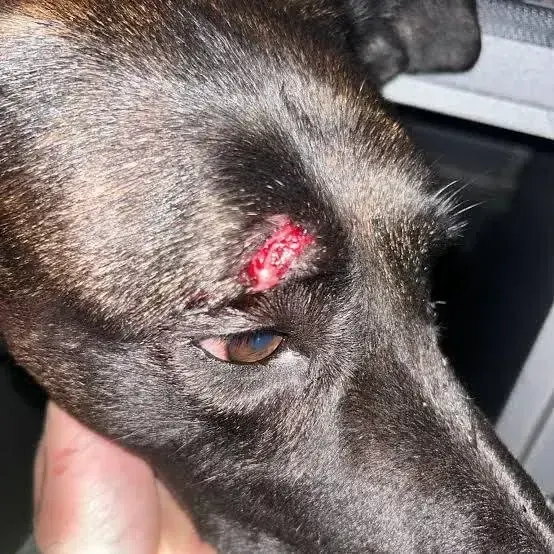
What a clean wound looks like
A fresh, clean graze or a small cut with tidy edges, no swelling, no pus and no smell can often be watched. Clean it with saline, keep the dog from licking, and check it daily.
Even then, "watch" means actually looking twice a day. A wound that is not smaller in three days is not healing.
The four signs that mean today, not tomorrow
Swelling that is warm to touch, discharge that is yellow or green, a smell, and maggots. Any one of these means infection is established and a vet needs to see the dog.
Maggot wounds are common in humid weather and look worse than they are to treat, but they need proper cleaning, not tweezers at home.
Why the kitchen shelf fails
Turmeric paste, coconut oil, kerosene, ash, toothpaste and human antiseptic creams are the five things rescuers most often find on a wound. None of them treat infection. Some of them burn tissue, and all of them delay real care.
Human painkillers are worse than useless. Paracetamol and ibuprofen are toxic to dogs and can cause liver or kidney damage at household doses.
The clinic visit
A vet will usually clean and debride the wound, decide whether antibiotics are needed, and check for underlying causes such as mange, ticks or a foreign body. Wounds on ears and tails often have a reason: scratching from mites, or a collar that is too tight.
Ask what the aftercare is before you leave: how often to clean, what to watch for, and when to come back. Write it down. It is easy to forget in the car park.
Paying for it
Government veterinary hospitals and municipal dispensaries charge little or nothing and are the right first stop in most Indian cities. Private clinics cost more and are faster.
If the dog has a feeder or a guardian, tell them what happened and what aftercare is needed. A treated wound that nobody checks again is a wound that reopens.
A wound is a symptom. The vet is not treating a hole in the skin, they are finding out why it is not healing.
This note is educational and not a report of a specific rescue or a substitute for veterinary advice. If a dog is injured, contact a veterinarian.
Related field notes
Field note
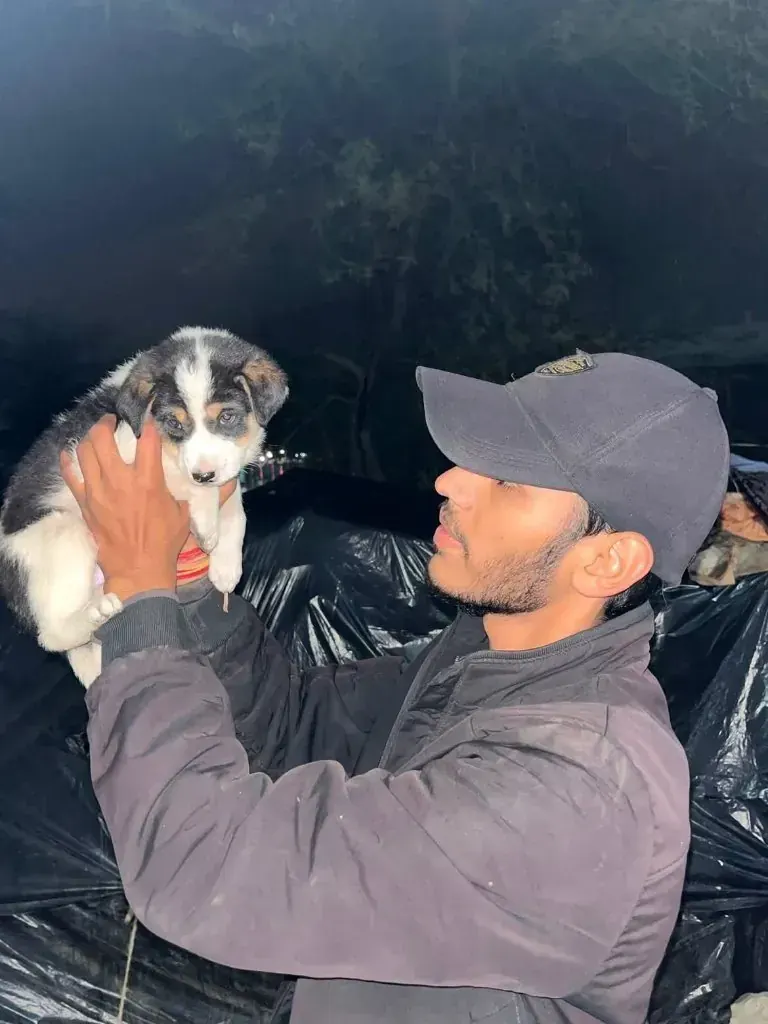
A call at ten at night about a puppy
Night calls are the hardest to judge from a phone. Here is what to ask, what to carry, and what can honestly wait until morning.
Read the note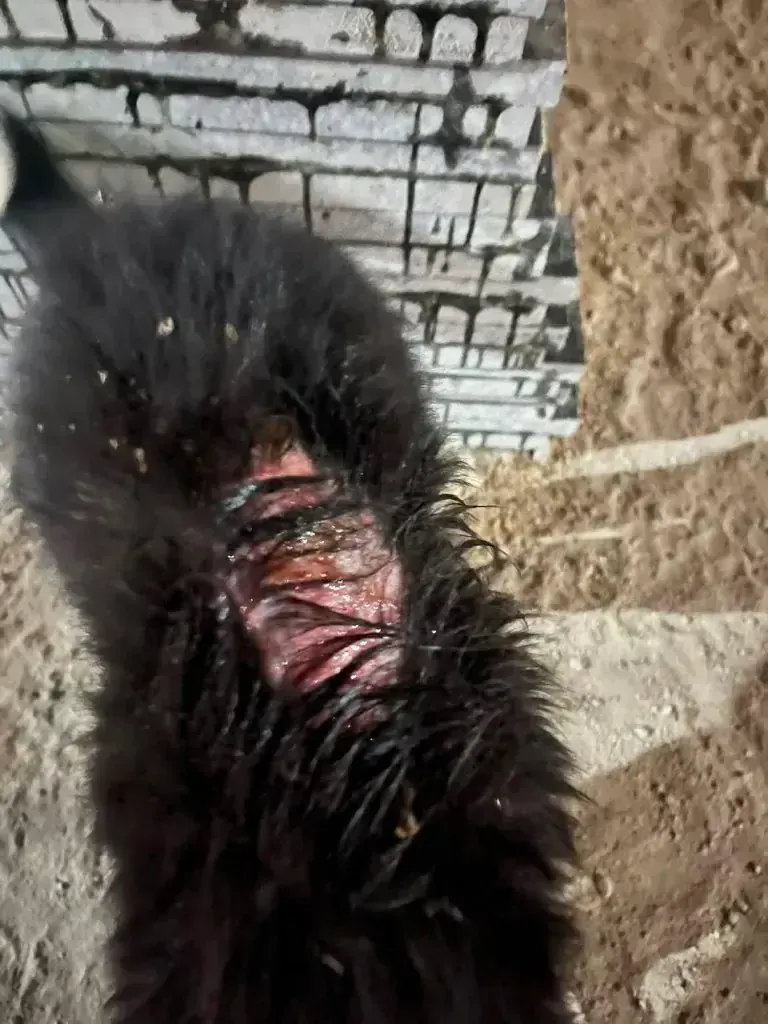
Field note
The first forty-eight hours after a rescue
The most dangerous part of a rescue is not the road. It is the night after, when a frightened dog is warm, fed and quietly…
Read the note